There are more types of martini cocktails than most people realize. The classic dry gin martini, the dirty martini with olive brine, the espresso martini, the lemon drop, the French martini. Each one is built on a different logic: different base spirit, different vermouth ratio, different garnish, completely different experience. As a professional bartender, the first question is never “which martini do you like?” It’s “what are you going for tonight?”
This guide covers the main martini families, how each one is made, and what actually distinguishes them. If you’re planning an event and want bartenders for events in Los Angeles who know which martini to put in which hand, that context is woven throughout.
What makes a martini a martini
Technically, a martini is a mix of a base spirit (traditionally gin, now often vodka) and vermouth, served chilled in a stemmed cocktail glass. The garnish (olive, lemon twist, cocktail onion) is not decorative; it changes the drink’s flavor profile. Beyond that definition, the martini is one of the most flexible cocktails in the canon, which explains why the variations run into the dozens.
Two variables define almost every martini: the ratio of spirit to vermouth and the style of vermouth (dry, sweet, or both). Everything else is a variation on top of that.
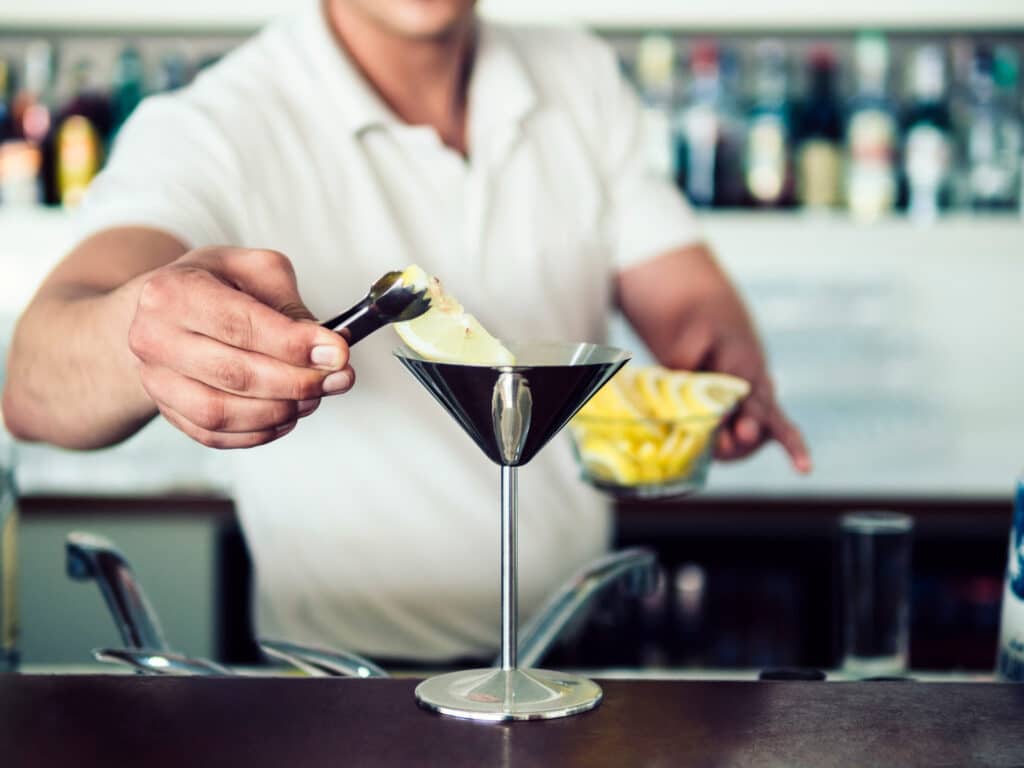
Classic martini types
These are the foundational versions. Any bartender worth their salt makes all four on autopilot.
Dry martini
The benchmark. A dry martini uses a high ratio of gin to dry vermouth, typically 6:1 or even higher. “Dry” refers both to the type of vermouth and the minimal quantity used. The result is spirit-forward, cold, and clean, with just enough vermouth to round the edges. Garnish: olive or lemon twist.
| Ingredient | Quantity |
|---|---|
| Gin | 60 ml |
| Dry vermouth | 5–10 ml |
| Garnish | Lemon twist or olive |
Dirty martini
Same structure as the classic, with one addition: olive brine. A splash (around 15 ml) makes it savory and slightly salty. More brine makes it “extra dirty” or “filthy.” It’s one of the most ordered martinis at events because it’s bold and distinctive. Shaking or stirring both work; shaking softens the brine flavor slightly.
Wet martini
A wet martini flips the ratio: more vermouth, less spirit (around 3:1 gin to dry vermouth). The result is more aromatic, softer, and lower in alcohol. It’s largely fallen out of fashion, but it’s the right call for guests who find the classic too sharp.
Perfect martini
The “perfect” in mixology means splitting the vermouth between dry and sweet in equal parts. The result sits between a classic martini and a Manhattan, less austere than a dry, with a subtle sweetness from the sweet vermouth. Garnish is always a lemon twist, never an olive.
Modern martini variations worth knowing
These aren’t classics in the strict sense, but several have become standards. At any event with 80+ guests, you’ll have someone asking for at least three of these.
Espresso martini
Vodka, fresh espresso, and coffee liqueur (Kahlúa or Mr. Black), shaken hard to create the signature foam. The three coffee beans on top aren’t just aesthetic; they’re a nod to the Italian omen of health, happiness, and prosperity. It’s the go-to for late-night events or corporate parties where guests need energy without switching to cocktails that feel too casual.
| Ingredient | Quantity |
|---|---|
| Vodka | 50 ml |
| Fresh espresso | 30 ml |
| Coffee liqueur | 20 ml |
| Garnish | 3 coffee beans |
Lemon drop martini
Vodka, lemon juice, triple sec, and a touch of simple syrup, served in a sugar-rimmed glass. It’s tart and bright, one of the most approachable martinis for guests who don’t usually drink spirits. The sugared rim isn’t optional; it’s what balances the acidity of the lemon.
Cosmopolitan
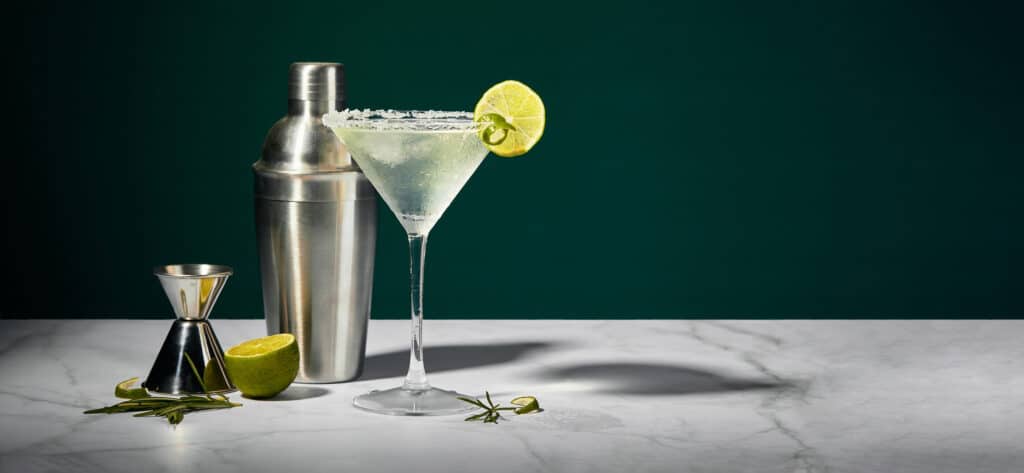
Vodka, triple sec, cranberry juice, and lime, shaken and served in a martini glass. The Cosmopolitan isn’t technically a martini (no vermouth), but it’s served in the same glass and ordered with the same language. At events, it’s consistently one of the top three requests from female guests, and its pink color photographs well, which matters more than people admit.
Watermelon martini
Fresh watermelon juice shaken with vodka, lime juice, and simple syrup. It’s seasonal-feeling even when it isn’t, and the color is visually striking. At summer rooftop parties or outdoor events, it’s hard to beat.
French martini
Vodka, Chambord (raspberry liqueur), and pineapple juice. The pineapple juice creates a natural foam when shaken. It’s sweet, fruity, and accessible, a good option when you want a martini menu that works for guests who aren’t cocktail-confident.
Gin vs. vodka: which base for which occasion
The biggest split in the martini world is gin versus vodka. Gin brings botanical complexity (juniper, citrus peel, herbs), which means the martini has more character with less mixing. Vodka is neutral, which makes it more versatile for flavored variations but less interesting in a classic dry format.
At corporate events and weddings, vodka-based martinis move faster because they’re more crowd-friendly. Gin martinis tend to perform better at intimate gatherings, cocktail-focused events, or when you’re building a curated martini bar where guests are paying attention to what they’re drinking.
What type of martini to serve at your event
The type of event should drive the martini selection, not the other way around. Here’s how we think about it at Magic & Cocktails:
| Event type | Best martini picks | Why |
|---|---|---|
| Wedding reception | Lemon drop, French martini, Cosmopolitan | Approachable, photogenic, crowd-friendly |
| Corporate cocktail hour | Dry martini, Espresso martini, Dirty martini | Classic, professional, no distracting colors |
| Rooftop summer party | Watermelon martini, French martini, Lemon drop | Refreshing, seasonal, visually striking |
| Birthday or private party | Espresso martini, Cosmopolitan, Dirty martini | Fun, flexible, works across taste profiles |
| Intimate dinner | Classic dry, Perfect martini, Whiskey martini | Spirit-forward, complex, conversation starters |
The dirtier or more spirit-forward the martini, the smaller the audience it appeals to. The more fruit and sugar, the wider. A well-designed martini menu for an event usually includes one classic, one crowd-pleaser, and one wild card, enough range without overwhelming the bar.
For events with a bolder palette, don’t overlook the whiskey martini, a rye or bourbon base with dry vermouth and orange bitters that works particularly well at autumn and winter events.
How Magic & Cocktails brings martinis to life
At Magic & Cocktails, we build martini menus the same way we build an event: starting with who’s going to be in the room and what kind of experience they’re there for. A dry gin martini for 200 wedding guests doesn’t make sense. Neither does a lemon drop at a black-tie corporate dinner.
Our bartenders don’t just execute recipes; they read the room, adapt in real time, and add the kind of sleight-of-hand moments that turn a drink service into something guests talk about after. If you’re looking to build a martini experience for your next event in Los Angeles, we’re the team to call.